Recognising mental disorders is not about giving yourself a label after a difficult week. It is about noticing changes in mood, thoughts or behaviour, understanding how they affect daily life and knowing when to ask for help.
You do not need to be certain that something is wrong before speaking to a GP. Persistent distress, difficulty managing everyday tasks or concern from someone who knows you well are all valid reasons to seek support. Equally, a list of symptoms or an online quiz cannot establish a diagnosis on its own.
If there is immediate danger, a serious injury or an overdose, call 999 or go to A&E. If you cannot keep yourself or someone else safe, treat this as an emergency rather than waiting for an appointment.
For concerns that are not an emergency, the following steps can help you recognise meaningful changes and find appropriate support.
How mental disorders differ from everyday stress
Stress, sadness and worry are part of life. They can follow bereavement, relationship difficulties, illness or financial pressure without necessarily indicating a disorder. However, distress linked to a difficult situation still deserves support.
The most useful things to consider are duration, intensity and impact. Is the change persisting or returning repeatedly? Does it feel unusually severe? Is it affecting sleep, work, relationships, personal care or your ability to do things you normally manage?
Compare the change with your usual pattern, rather than someone else's. Becoming withdrawn may be significant for someone who normally enjoys company. Sleeping much less while feeling unusually energetic may matter more than an occasional restless night.
Timing can help, but there is no universal waiting period. The NHS guidance on depression symptoms advises seeing a GP if symptoms occur for most of the day, every day, for more than two weeks. That does not mean you should wait two weeks if symptoms are severe or safety is a concern.
Someone can also appear to be coping at work while struggling considerably at home. Visible performance does not reliably show how much distress they are experiencing.
Common patterns, not a self-diagnosis
Different mental disorders can share symptoms, including tiredness, poor concentration and disrupted sleep. The patterns below are reasons to seek an assessment, not a checklist for deciding which condition you have.
| Possible concern | Changes worth discussing with a professional |
|---|---|
| Depression | Persistent low mood, loss of interest or pleasure, hopelessness and changes in energy, sleep or appetite. |
| Anxiety disorders | Hard-to-control worry, panic attacks or avoidance that increasingly restricts everyday activities. |
| Obsessive-compulsive disorder (OCD) | Unwanted intrusive thoughts and repetitive actions or mental rituals that cause distress or take up considerable time. |
| Bipolar disorder | Distinct episodes of depression or unusually elevated or irritable mood, sometimes with increased activity, little need for sleep and risky decisions. |
| Psychosis | Hearing or seeing things others do not, strongly held beliefs not shared by others or confused thinking. |
| Eating disorders | Restrictive eating, binge eating, compensatory behaviours or intense concerns about food, weight or body shape. |
| Post-traumatic stress disorder (PTSD) | Re-experiencing a traumatic event, avoidance and feeling persistently on guard after trauma. |
These descriptions are deliberately brief. For example, bipolar disorder is not simply everyday moodiness, and OCD is not a preference for tidiness. Eating disorders can affect people at any body size.
Symptoms may overlap, and more than one condition can be present. New psychotic symptoms or possible mania need prompt assessment, particularly when judgement, sleep or safety is affected.
Track changes without trying to diagnose yourself
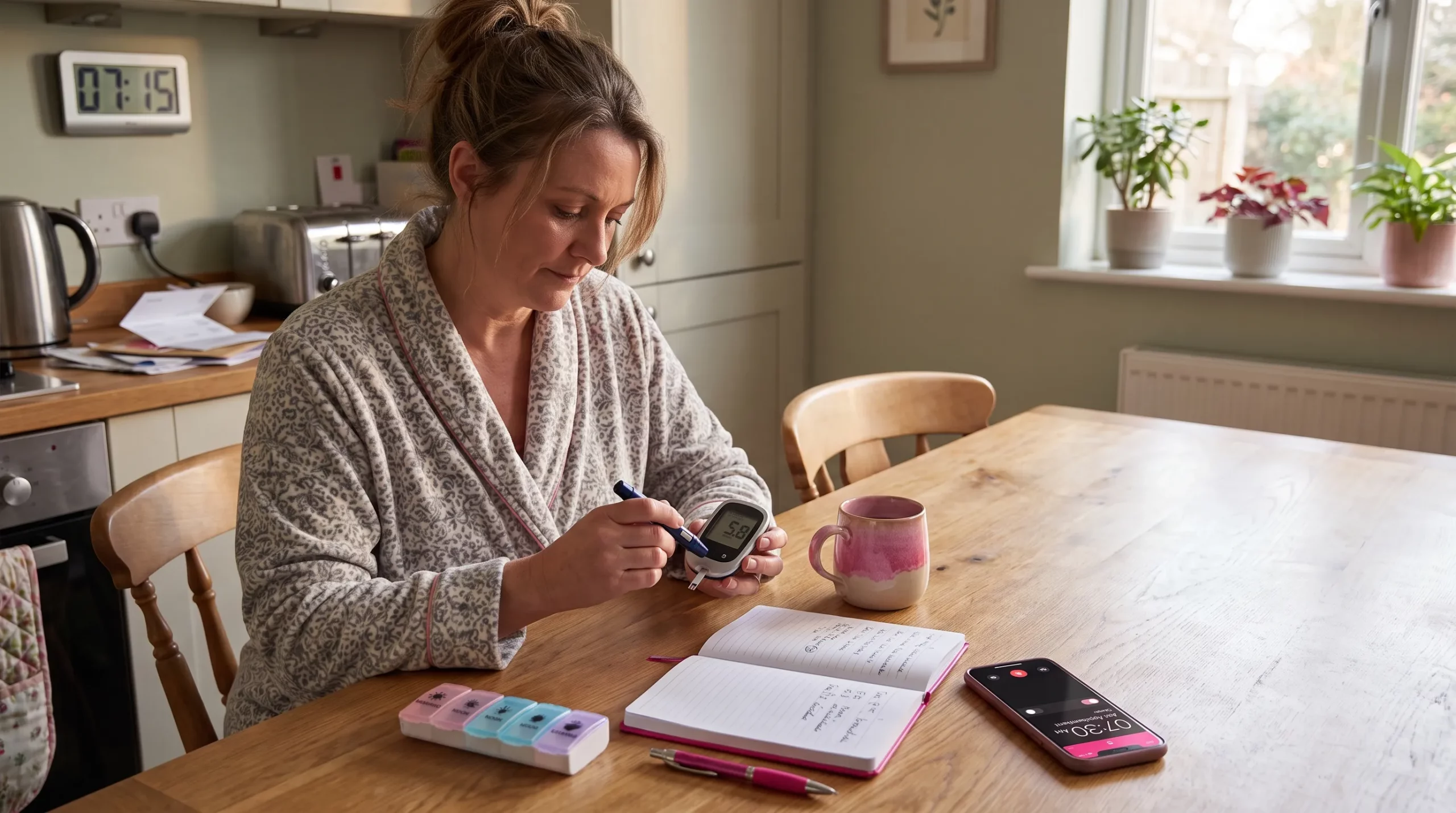
When you are concerned about mental disorders, a short record of what has changed can make an appointment more useful. Aim to describe your experience rather than prove a particular diagnosis.
You could note:
- What happens: Describe the thoughts, feelings, physical sensations or behaviours that concern you.
- When it started: Record whether the change was sudden, gradual or linked to an event.
- How often it happens: Note frequency, duration and whether there are periods when you feel different.
- What it affects: Include sleep, eating, work, study, relationships and personal care.
- Relevant context: Mention medicines, alcohol or drug use, physical illness and previous episodes.
For example, “I have stopped seeing friends, wake at 4 am most mornings and struggle to concentrate at work” gives a clinician more information than “I think I have depression”.
Keep tracking manageable. A few notes are enough, and you should not delay seeking help to build a detailed diary. If recording symptoms becomes another source of anxiety, stop and explain that during your appointment.
Our mental health and neurological articles can provide further background, but information should support a conversation with a professional rather than replace one.
How to find the right support
Getting support for mental disorders usually begins with an assessment, not with choosing a treatment yourself. A GP is a useful starting point when changes are persistent, affect daily life or leave you unsure which service you need.
You can ask the practice whether a longer appointment is available. If explaining things aloud feels difficult, bring written notes or ask someone you trust to accompany you.
What to tell your GP
Describe your main concern and its effect on your life. Be open about alcohol, recreational drugs, prescribed medicines and any thoughts of harming yourself. These details help the clinician assess risk and identify appropriate care.
The GP may ask about your physical health, medical history, family history and previous treatment. Physical conditions, medication effects and sleep problems can sometimes cause or worsen mental health symptoms. Examination or tests may be appropriate depending on your situation.
Ask what happens next: whether you need further assessment, who will contact you and what to do if things worsen while you wait. Referral routes may include community mental health services, specialist teams or psychological therapies.
If you leave without understanding the plan, ask for clarification. If your difficulties continue, arrange a follow-up rather than assuming that one conversation has ruled out a problem.
What treatment may involve
Treatment for mental disorders depends on the symptoms, their severity, your preferences and any previous response to care. Psychological therapies, medication, practical support or a combination may be appropriate. Some conditions require specialist input rather than general counselling alone.
In England, adults can often self-refer to NHS talking therapies services for problems such as anxiety and depression without first seeing a GP. Eligibility and local arrangements vary. Elsewhere in the UK, ask your GP or local health service about available routes. Talking therapies are not an emergency service, and some presentations need a different pathway.

While waiting, regular meals, a manageable sleep routine and contact with trusted people may help you cope. Reducing alcohol or drug use can also matter. These measures support recovery but do not replace assessment or treatment.
If you already take prescribed medication, speak to your prescriber before changing or stopping it. Discuss unwanted effects and concerns openly so that the plan can be reviewed safely.
Helping someone you are worried about
Supporting someone with possible mental disorders starts with a calm conversation about what you have noticed. Choose a private moment and use specific observations: “You seem exhausted and have missed several meals this week. How have things been?”
Listen without arguing about a diagnosis or insisting that they should feel differently. You can take their distress seriously without agreeing with every interpretation of what is happening. If they describe unusual beliefs or experiences, focus on how frightened or unsettled they feel rather than trying to win an argument.
Offer practical help, such as booking an appointment, arranging transport or sitting with them while they contact a service. Ask what would feel useful instead of taking over automatically.
If you are worried about suicide, ask directly whether they are thinking about ending their life. Asking does not put the idea in someone's head. Take the answer seriously and seek urgent help if safety is uncertain.
You can set limits on what you are able to provide. Friends and family can offer valuable support, but they should not be expected to manage a crisis alone.
When to seek urgent help
Some signs associated with mental disorders need urgent assessment rather than a routine appointment. These include suicidal thoughts that feel difficult to resist, escalating self-harm, new hallucinations or unusual beliefs, or very little sleep alongside unusually high energy and risky behaviour.
Sudden confusion also needs urgent medical assessment because it can have physical causes. Do not assume it is a mental health condition.
Call 999 or go to A&E if someone is in immediate danger, has taken an overdose or cannot be kept safe. For an urgent mental health concern without immediate danger, request an urgent GP appointment or contact the relevant service:
- England: Call NHS 111 and select the mental health option.
- Scotland: Call NHS 24 on 111 and choose the mental health option.
- Wales: Call NHS 111 Wales and press 2 for urgent mental health support.
- Northern Ireland: Call Lifeline on 0808 808 8000 for crisis support.
The NHS guidance on urgent mental health help explains the routes available in England.
Across the UK, Samaritans offers someone to talk to on 116 123, free, at any time. You do not have to be suicidal to call. It provides emotional support, not emergency medical treatment.
Frequently asked questions
Can an online test tell me whether I have a mental disorder? No. A screening quiz may highlight symptoms worth discussing, but it cannot confirm a diagnosis or reliably rule out every condition. Results need to be considered alongside your history, current circumstances and a professional assessment. Seek help if you remain concerned, even after a low score.
Can mental disorders improve with treatment? Many people improve with appropriate treatment and support. Some experience a single episode, while others need longer-term care or help with recurring symptoms. Progress varies, and treatment can be reviewed if it is not helping or causes unwanted effects.
What if I cannot explain how I feel? Start with concrete changes in sleep, appetite, concentration or behaviour. You can show your GP notes, describe a recent difficult day or bring someone who can help explain what has changed. You do not need medical terminology.
What if the person I am worried about is under 18? A GP can assess concerns and advise on age-appropriate support, including children and young people's mental health services. School or college pastoral staff may also help. Do not wait for a school referral if there is an urgent safety concern.
Take a first step with HealthTest
If you are unsure how to begin a conversation about your symptoms, HealthTest's free health screening quizzes offer private self-assessment with immediate results and guidance on next steps.
Use your result as a starting point for discussing concerns with a GP, not as a diagnosis or a reason to dismiss symptoms. Whether or not you take a quiz, ongoing distress and changes in daily functioning are enough reason to ask for support.