
Your physical health and mental health affect each other through sleep, stress responses, pain, daily routines and access to care. Anxiety can bring real bodily symptoms, while a long-term illness can change your mood, confidence and relationships. Understanding these connections can help you seek support without assuming that every physical symptom is psychological or that feeling low is an unavoidable part of being unwell.
The relationship is not a simple equation. You can have good mental wellbeing while living with a physical illness, and someone who appears physically fit can still experience depression. The useful question is how changes in one area might be affecting the other, and what would help interrupt that cycle.
Why the connection works in both directions
The brain is part of the body. Your nervous system, hormones and immune system help regulate how you respond to challenges, recover from illness and experience discomfort. Thoughts and emotions also influence everyday activities such as eating, sleeping, moving and attending appointments.
In the other direction, pain, disrupted sleep, reduced mobility or changes in physical functioning can make it harder to concentrate, enjoy activities or feel secure about the future. Financial pressures and difficulty accessing treatment can add to that burden.
Speaking about the World Health Organization’s 2022 World Mental Health Report, WHO Director-General Dr Tedros Adhanom Ghebreyesus said: “Good mental health translates to good physical health.” This describes an important connection, not a promise that emotional wellbeing prevents illness.
Looking at physical health and mental health together helps explain why treating only one part of a problem may leave other symptoms unresolved. For example, pain relief may help someone sleep, while psychological support may help them manage the distress associated with ongoing pain.
How mental health can affect the body
Stress, sleep and physical symptoms
When you feel threatened or under pressure, your body activates a stress response. Your heart may beat faster, muscles may tighten and digestion may change. Short-lived responses can be useful, but repeated stress can leave you feeling tense, exhausted or unable to switch off.
Anxiety can involve palpitations, sweating, nausea, dizziness or breathlessness. These symptoms are real, even when anxiety contributes to them. However, similar symptoms can have physical causes, so new, persistent or severe symptoms should not automatically be labelled as anxiety.
Sleep often becomes part of the cycle. Worry can keep you awake, while poor sleep can make emotions harder to regulate and discomfort harder to tolerate. Addressing sleep may help, but persistent insomnia deserves assessment rather than repeated advice to simply relax.
Energy, self-care and access to treatment
Depression can reduce motivation, concentration and energy. Tasks such as preparing food, collecting prescriptions or booking an appointment may become difficult. This is not a character flaw or evidence that someone does not care about their health.
Physical health and mental health can become linked through these practical barriers: missed treatment may worsen physical symptoms, which can increase distress and make the next task feel even harder.
Some mental health medicines can also affect appetite, weight, sleep or metabolism. Effects differ between medicines and individuals. If you notice changes after starting treatment, ask your prescriber about side effects and any monitoring you need. Do not stop prescribed medication without advice.
How physical illness can affect mental wellbeing
Pain and long-term conditions
Living with diabetes, arthritis, heart disease or another long-term condition can involve much more than managing symptoms. Appointments, uncertainty, pain, changes at work and the loss of familiar activities can all affect emotional wellbeing.
The Mental Health Foundation reports that one in three people with a long-term physical health condition also has a mental health problem, most commonly depression or anxiety. This does not mean that everyone with a long-term condition will become mentally unwell, but it shows why emotional support belongs within physical healthcare.
NICE’s clinical guidance on depression in adults with a chronic physical health problem advises clinicians to “Be alert to possible depression”, particularly where a physical condition causes functional difficulties.
When physical health and mental health are both affected, support should address the illness and its emotional impact. Our guide to why physical health matters for long-term wellbeing explores the wider role of mobility, independence and everyday functioning.
Weight, hormones and stigma
Changes in weight or body shape can affect mood, particularly when someone experiences judgement or discrimination. At the same time, stress, disrupted sleep and certain medicines may influence appetite or eating patterns.
Weight is not simply a measure of willpower. Genetics, biology, environment and access to support all matter. Healthy Weight Clinics’ explanation of the biological and environmental factors behind being overweight offers useful context for understanding why blame is unhelpful and care should be individualised.
Some physical conditions can also resemble or contribute to mental health symptoms. Thyroid problems, for example, may affect mood and energy. A GP can consider your symptoms, medical history and whether examinations or blood tests are appropriate.
A joined-up approach does not mean assuming weight or hormones explain everything. It means considering relevant possibilities without overlooking distress or dismissing physical symptoms.
Signs that deserve a joined-up assessment
A single symptom rarely tells the whole story. Patterns, timing and effects on daily life are often more useful than deciding whether a problem belongs to the body or the mind.
Consider booking a GP appointment if changes in physical health and mental health persist, worsen or interfere with your usual activities. Seek help sooner if symptoms are severe or you are struggling to cope.
| Pattern you notice | What to discuss with your GP |
|---|---|
| Fatigue alongside low mood or loss of interest | Sleep, mood, medicines and possible physical causes |
| Ongoing pain with worry or withdrawal | Pain management, emotional support and effects on daily life |
| Palpitations or stomach symptoms during stressful periods | The symptom pattern and whether physical assessment is needed |
| Appetite or weight changes after starting medication | Possible side effects and appropriate monitoring |
| Increasing difficulty managing a long-term condition | Practical barriers, treatment burden and mental wellbeing |
These patterns are prompts for a conversation, not diagnoses. If low mood or loss of interest lasts for two weeks or more, speak to a GP. You do not need to wait two weeks if you feel unsafe, symptoms are severe or daily life is becoming unmanageable.
Supporting physical health and mental health together
Choose manageable changes, not a complete overhaul
When you are tired or distressed, a long list of health goals can create more pressure. Start with one change that fits your situation, such as a consistent waking time, a short accessible activity or help collecting a prescription.
Movement can support mood, sleep and physical functioning, but it should match your abilities and medical advice. Walking, seated exercises, gardening or physiotherapy exercises may be more appropriate than a demanding workout.
WHO estimates that 31% of adults worldwide did not meet recommended physical activity levels in 2022. That figure describes a population-level gap, not an individual failure. Disability, pain, caring responsibilities and unsafe environments can make activity difficult.
If movement increases symptoms significantly, ask for advice rather than pushing through. Rehabilitation or condition-specific support may be more useful than a general exercise target.
Protect the routines that make care possible
Regular meals, adequate rest and supportive relationships can make treatment easier to manage. They are foundations for wellbeing, not substitutes for medical or psychological care.
Alcohol may seem to offer short-term relief from stress, but it can disrupt sleep and worsen mood. If drinking has become a coping strategy, discuss it with your GP without waiting for the situation to become a crisis.
Small adjustments work best when they reduce friction. Preparing an easy meal, setting a medication reminder or asking someone to accompany you to an appointment may help more than setting an ambitious target.
Our article on everyday habits that support mental health offers practical ideas you can adapt to your energy and circumstances.
Ask for care that considers the whole picture
Bring both bodily symptoms and emotional changes into the same appointment. You might say: “Since my pain worsened, I am sleeping badly and avoiding people,” or “My anxiety has increased, but these palpitations are new.”
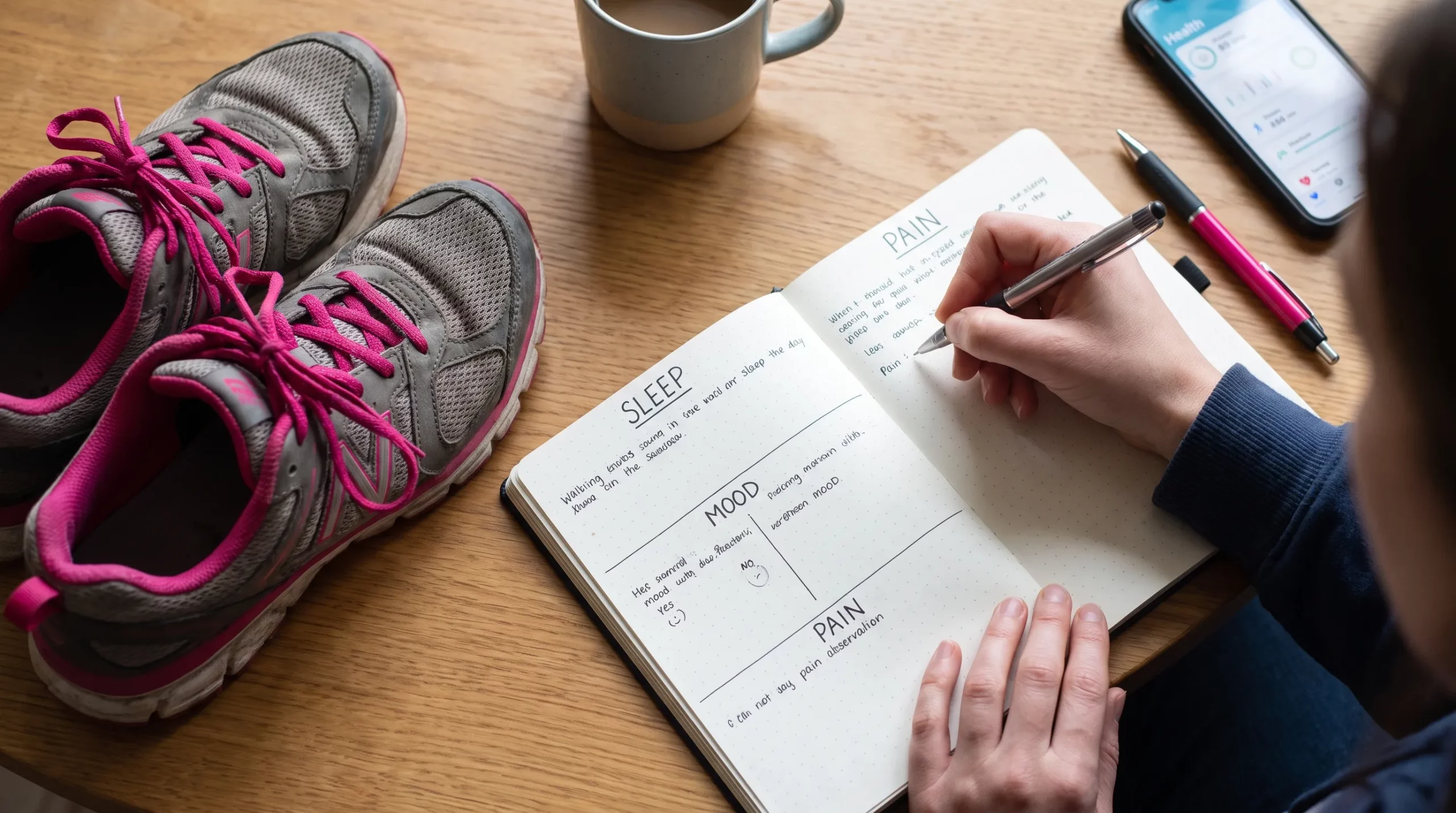
A short record of symptoms, sleep, mood and medication changes can help you describe what is happening. You do not need to monitor every sensation or collect perfect data. If tracking increases worry, keep it brief or stop and discuss that with your clinician.
Care for physical health and mental health may involve medication reviews, treatment of an underlying condition, talking therapies, rehabilitation or practical support. The right combination depends on your circumstances. Treating emotional distress does not make a physical illness less real, and investigating physical symptoms does not invalidate a mental health diagnosis.
When to get urgent help
Do not assume severe or unfamiliar symptoms are caused by stress. Call 999 for signs of a medical emergency, such as suspected heart attack or stroke, or severe difficulty breathing.
If you or someone else is in immediate danger, including following an overdose or serious self-harm, call 999 or go to A&E.
For urgent mental health support without immediate danger, contact NHS 111 or your local urgent mental health service. In England, you can call 111 and select the mental health option. Routes vary across the UK.
You can also call Samaritans on 116 123, free at any time, to talk about distress. This listening support does not replace emergency medical care.
Frequently asked questions
Can anxiety cause physical symptoms? Yes. Anxiety can cause symptoms such as sweating, nausea, muscle tension or a racing heart. Because physical conditions can cause similar symptoms, seek assessment for symptoms that are new, persistent, severe or different from your usual pattern.
Does a physical illness always lead to depression? No. Physical health and mental health influence each other, but the relationship varies between people. Pain, uncertainty and treatment demands can increase distress, while effective treatment and support can help protect wellbeing.
Can an online health quiz diagnose the cause of my symptoms? No. A screening quiz can help you recognise possible signs and organise your concerns, but it cannot establish a diagnosis or rule out illness. Results should guide next steps, not replace a clinician’s assessment.
Should I speak to my GP about physical or mental symptoms first? Mention both. Explain which symptoms started first, what has changed and how daily life is affected. Your GP can help decide what needs assessment and whether different types of support are appropriate.
References
- World Health Organization. WHO highlights urgent need to transform mental health and mental health care, 2022. Source of Dr Tedros’s quotation.
- Mental Health Foundation. Physical health and mental health. Source of the long-term condition statistic.
- National Institute for Health and Care Excellence. Depression in adults with a chronic physical health problem: recommendations, CG91. Clinical guidance on recognising depression.
- World Health Organization. Physical activity. Source of the 2022 adult activity estimate.
Take a first step with HealthTest
If you are unsure how to describe changes in your physical health and mental health, HealthTest’s free health screening quizzes can help you identify possible signs and consider your next steps. Results are immediate, but they are not a diagnosis and should not delay medical care.
For questions about using the website or its quizzes, contact HealthTest. For advice about symptoms or treatment, speak to your GP or another qualified healthcare professional.