
Good physical health helps you do more than avoid illness. It supports the energy to get through your day, the strength to stay independent and the ability to keep doing things you enjoy as you get older. Looking after your body now can also reduce the likelihood of developing some long-term conditions.
That does not mean achieving a particular weight, exercising intensely or never getting ill. Your genes, environment, income and access to healthcare all influence your wellbeing. The useful starting point is understanding what you can change, what deserves medical attention and which small actions are worth maintaining.
A longer life is only part of the goal
Living longer matters, but so does how you experience those years. Being able to climb stairs, carry shopping, recover after illness or spend time with friends can make a substantial difference to everyday life.
Regular movement supports cardiovascular fitness, muscle strength and balance. A varied diet helps meet your nutritional needs, while adequate sleep supports attention and recovery. Avoiding tobacco and keeping alcohol within recommended limits also reduce preventable health risks.
The importance of prevention is clear in global activity figures. World Health Organization findings published in 2024 estimated that 31% of adults worldwide, approximately 1.8 billion people, did not meet recommended activity levels in 2022. These figures concern activity, not overall fitness or personal worth.
Commenting on the findings, WHO Director-General Dr Tedros Adhanom Ghebreyesus described insufficient activity as “a lost opportunity to reduce cancer and heart disease”.
Protecting physical health is therefore about preserving future choices as well as reducing disease risk. Stronger legs may help you remain mobile, better cardiovascular fitness can make ordinary tasks less tiring and preventive care can identify certain risks before symptoms develop.
None of these habits guarantees freedom from illness. They improve your chances of staying well without making illness a personal failure.
Your body and mind influence each other
Pain, tiredness and restricted movement can affect mood, concentration and social life. In the other direction, anxiety or low mood can make cooking, sleeping and attending appointments more difficult.
This connection does not mean that mental illness is simply a lifestyle problem. Depression, anxiety and other conditions may need professional treatment, even when someone eats well and exercises regularly.
However, supporting physical health can remove some additional pressures. For example, addressing persistent pain may make sleep easier, while manageable activity can provide structure and opportunities for social contact.
If you are struggling emotionally, the aim is not to add a demanding fitness routine to an already difficult day. A short walk, a regular meal or help arranging a GP appointment may be a more realistic first step. Our guide to everyday habits that support mental health explores these supportive routines in more detail.
Persistent fatigue, disrupted sleep or loss of motivation should not automatically be attributed to stress. A healthcare professional can help assess whether there is an underlying medical or mental health cause.
Look beyond weight and appearance
Body weight can be relevant to some health risks, but it cannot tell you everything about your wellbeing. Someone who looks fit may have raised blood pressure, while a person living with a disability or chronic condition may have effective routines that support their health.
A more useful picture combines daily function, symptoms and appropriate clinical checks.
| Area to consider | A practical observation | When professional advice may help |
|---|---|---|
| Everyday movement | Whether usual walking or stairs feel manageable | New breathlessness or a noticeable decline in exercise tolerance |
| Strength and mobility | Whether you can rise from a chair or carry everyday items comfortably | Increasing weakness, recurrent falls or persistent joint pain |
| Sleep and energy | Whether you usually feel rested enough for daily activities | Ongoing exhaustion, loud snoring with breathing pauses or persistent insomnia |
| Preventive care | Whether relevant invitations, vaccinations and checks are up to date | Uncertainty about eligibility or a significant family history |
Assessing physical health this way helps you notice meaningful changes without turning every day into a performance test. Compare your current abilities with your own usual baseline, not with someone else's body or routine.
These observations are not diagnostic tests. New or worsening symptoms deserve assessment even if your weight, activity tracker or previous check-up appears reassuring.
Build habits that protect your future
Move regularly and maintain strength
For adults aged 19 to 64, NHS activity guidance recommends at least 150 minutes of moderate-intensity activity a week, or 75 minutes of vigorous activity, alongside strengthening activities on at least two days.
Moderate activity makes you breathe faster but generally still allows conversation. Brisk walking, cycling and some forms of dancing can count. Strengthening activities might include resistance exercises, lifting weights or suitable bodyweight movements.
You do not need to reach the full recommendation immediately. Starting with a manageable amount and building gradually is more useful than repeatedly attempting a routine you cannot sustain. Breaking up long periods of sitting also creates opportunities to move throughout the day.
Supporting physical health requires both movement and recovery. Persistent pain, dizziness or unusual breathlessness are reasons to stop and seek advice, rather than push through. If you have a condition that affects activity, ask your healthcare team how to adapt exercise safely.
Older adults also benefit from activities that support balance. Someone with limited mobility may need seated exercises, adapted equipment or physiotherapy-led options rather than a standard walking plan.
Eat for nourishment, not perfection
The NHS Eatwell Guide provides a practical framework for a balanced diet. It includes fruit and vegetables, higher-fibre starchy foods, protein sources and dairy or suitable alternatives.
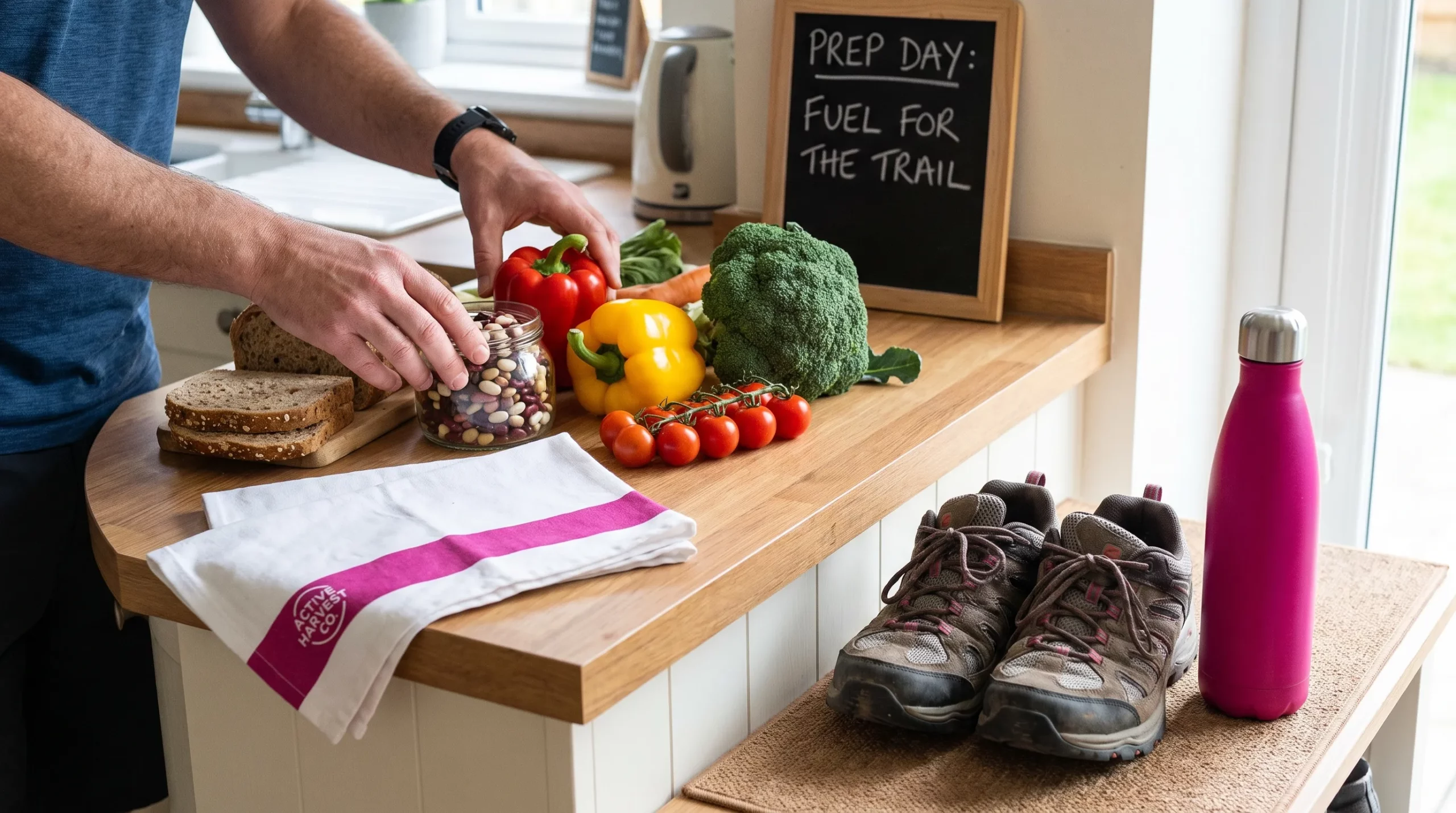
The overall pattern matters more than making every meal ideal. Affordable staples such as oats, beans, frozen vegetables and eggs can help, depending on your dietary needs and preferences.
Restrictive diets and supplements are not shortcuts to long-term wellbeing. If you have unexplained weight changes, persistent digestive symptoms or difficulty eating enough, speak to a healthcare professional rather than cutting out more foods without guidance.
Give sleep a place in your routine
Adults generally need around seven to nine hours of sleep, although individual needs vary. A reasonably consistent sleep schedule and time to wind down can help.
Sleep is part of physical health, not simply spare time left over after work and other commitments. Ongoing poor sleep can affect daytime function and make other healthy habits harder to maintain.
If sleep difficulties persist, or someone notices that your breathing stops and starts during sleep, arrange medical advice. Sleep problems sometimes need assessment and treatment rather than another change to your bedtime routine.
Make healthy choices achievable
Advice is only useful when it fits your circumstances. Shift work, caring responsibilities, disability, financial pressure and unsafe outdoor spaces can all make standard recommendations difficult to follow.
Dr Rüdiger Krech, WHO's Director of Health Promotion at the time of its 2024 activity report, put the wider issue plainly: “Physical inactivity is a silent threat to global health, contributing significantly to the burden of chronic diseases.” The same report called for activity to be accessible, affordable and enjoyable.
For an individual, that can mean choosing a free home routine instead of a gym membership or dividing movement into short periods between other tasks. Ask for practical support where available, including workplace adjustments, local community activities or clinical advice about adaptations.
Consistency does not require doing the same amount every day. A routine that allows for illness, pain and busy weeks is more likely to last.
Make physical health checks part of prevention
Some conditions can develop without obvious symptoms. High blood pressure, for example, often causes no noticeable warning signs, so feeling well is not always a reason to skip an appropriate check.
In England, the NHS Health Check is generally offered every five years to eligible adults aged 40 to 74 who do not have certain pre-existing conditions. It assesses cardiovascular risk and can help identify areas needing further investigation or support. Arrangements elsewhere in the UK differ, so ask your GP practice about local services.
Other preventive care depends on your age, medical history and relevant national programmes. This may include vaccinations or cancer screening invitations. Screening has benefits and limitations, so use the information provided to make an informed choice.
Where online quizzes fit
Online self-assessments can help you organise concerns and recognise possible signs worth discussing. HealthTest offers free screening quizzes across several health categories, with immediate results intended to guide next steps.
A quiz cannot examine you, measure your blood pressure or confirm a diagnosis. A reassuring result does not rule out illness, and a concerning result does not establish that you have a condition.
Use results alongside your symptoms and medical history. Physical health screening is most useful when it leads to an appropriate next step, not when it replaces professional assessment.
Do not wait for a quiz result in an emergency. Call 999 for signs of a stroke or sudden, persistent chest pain, particularly with sweating or breathlessness. For urgent problems that are not life-threatening, use NHS 111 where available or your local urgent-care service.
Choose one useful next step
You do not need to overhaul your life this week. Choose one action that addresses your circumstances: book an overdue appointment, add a short walk to your lunch break or prepare a regular meal you can manage on busy days.
Make the action specific enough to repeat. “Walk for ten minutes after lunch on three days this week” is easier to act on than “get healthier”. If that is not accessible, choose an adapted activity or another relevant goal.
After a few weeks, review what changed. Consider energy, comfort, sleep or ease of everyday movement rather than appearance alone. If nothing improves, or symptoms worsen, seek advice rather than assuming you need more willpower.
The most useful physical health plan is one that combines realistic habits with timely healthcare and leaves room for your individual needs.
References
- World Health Organization: 2024 findings on insufficient physical activity, including statistics and expert statements.
- NHS: Physical activity guidelines for adults aged 19 to 64.
- NHS: The Eatwell Guide.
- NHS: Insomnia, sleep needs and when to seek help.
- NHS: NHS Health Check eligibility and assessment.
Frequently asked questions
Can I feel healthy and still have an underlying condition? Yes. Some conditions, including high blood pressure, may not cause obvious symptoms. Attend relevant screening and discuss your personal risk factors with your GP.
Is it too late to benefit from healthier habits? No. Starting at an older age or after a period of inactivity can still be worthwhile. Choose a manageable starting point and get advice about adaptations if needed.
Do I need a yearly full-body health check? Not everyone needs the same tests or a yearly assessment. Appropriate checks depend on your age, symptoms, medical history and screening eligibility. Your GP can advise on what is useful for you.
Can an online health test diagnose a condition? No. A screening quiz can highlight possible concerns, but diagnosis may require a consultation, examination or clinical tests. Do not use a quiz to delay care for persistent or urgent symptoms.
Get support with your next step
Understanding your physical health can start with identifying the concern you want to address. HealthTest's free quizzes can help you reflect on possible signs and prepare questions for a healthcare professional.
If you have questions about the website or using its quizzes, contact the HealthTest team. For personal medical advice, diagnosis or treatment, speak to your GP or another qualified healthcare professional.