
Endocrine tests are medical checks that measure hormones or hormone driven markers in blood, urine or saliva. They help identify whether glands such as the thyroid, adrenal glands, pancreas, pituitary, ovaries or testes are producing too much, too little or the wrong pattern of hormones.
Hormones affect energy, weight, mood, sleep, temperature control, blood sugar, periods, fertility and sexual function. That is why endocrine problems can be hard to pin down from symptoms alone. This guide explains what the main tests look for, when a GP might request them, how to prepare and how online self-assessment can help you decide what to do next.
What endocrine tests check
The endocrine system is a network of glands that release chemical messengers into the bloodstream. These messengers tell organs when to store energy, burn fuel, grow, sleep, ovulate, produce sperm, respond to stress or balance minerals such as calcium.
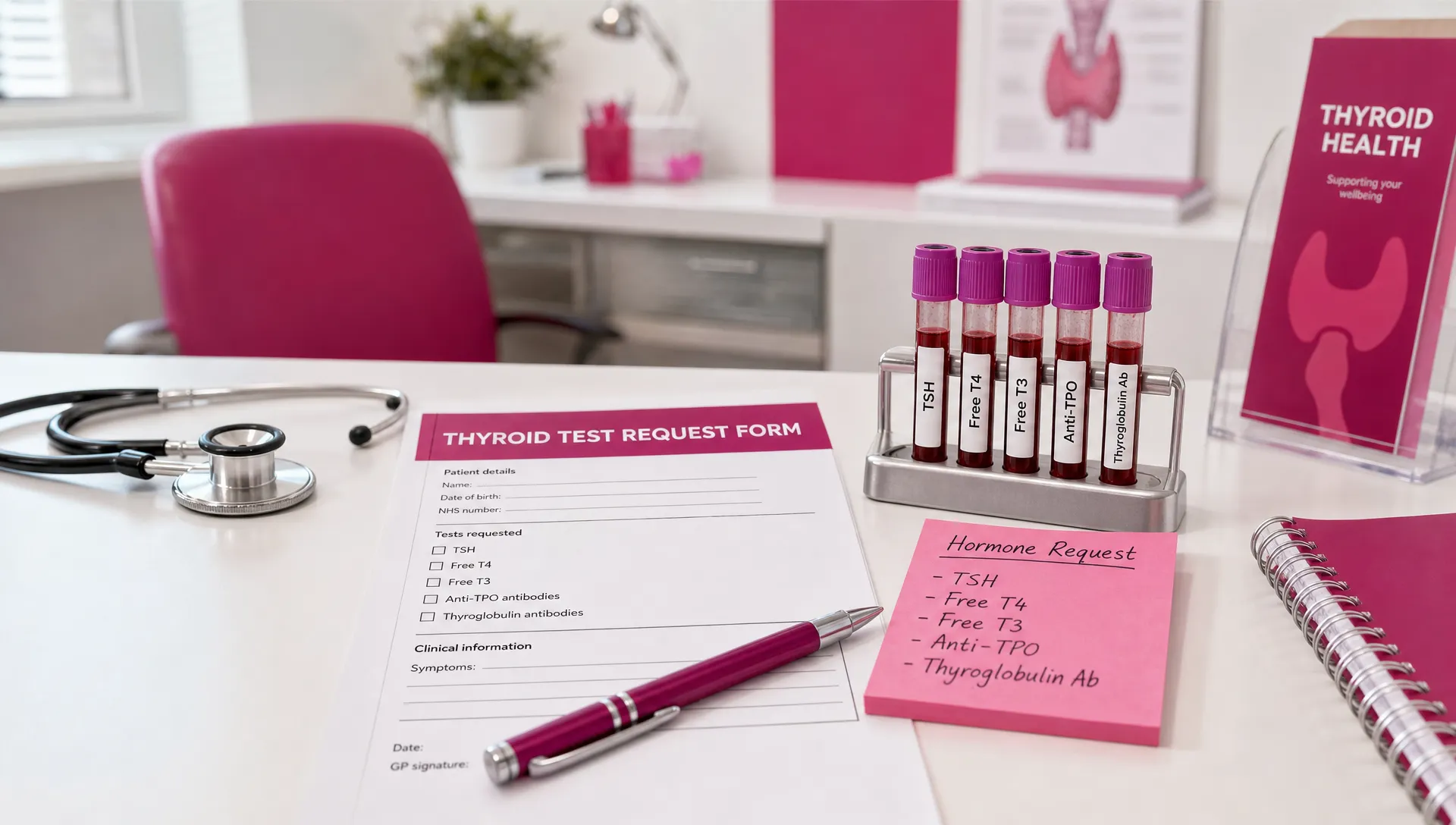
A hormone result is not usually interpreted in isolation. Clinicians look at the hormone itself, the signal that tells the gland to work and sometimes the organ response. For example, thyroid testing often includes thyroid stimulating hormone, known as TSH, and thyroxine, known as free T4. NHS guidance on thyroid function tests explains that these blood tests are used to check whether the thyroid is underactive or overactive.
The main glands and hormone systems
Most hormone investigations focus on one of several common systems. The thyroid controls metabolism and temperature sensitivity. The pancreas controls blood glucose through insulin. The adrenal glands help regulate stress responses, blood pressure and salt balance. The pituitary gland acts as a signalling centre for several other glands. The ovaries and testes influence fertility, periods, libido, muscle mass and sexual development.
Because symptoms overlap, a GP may order a small panel rather than a single measurement. Tiredness, for instance, can be linked with thyroid disease, diabetes, low testosterone, menopause, anaemia, depression or poor sleep, so the clinical picture matters.
Common hormone checks and what they can show
Because endocrine tests measure different parts of hormone signalling, the right test depends on the symptom pattern and timing. A random result may be less useful for hormones that naturally rise and fall during the day or across the menstrual cycle.
| Area checked | Common tests | What abnormal results may point towards |
|---|---|---|
| Thyroid function | TSH, free T4, sometimes free T3 and thyroid antibodies | Underactive thyroid, overactive thyroid or autoimmune thyroid disease |
| Blood sugar regulation | HbA1c, fasting glucose, oral glucose tolerance test | Diabetes, prediabetes or impaired glucose handling |
| Adrenal function | Morning cortisol, ACTH, dexamethasone suppression or stimulation tests | Possible cortisol excess, cortisol deficiency or pituitary-adrenal signalling problems |
| Reproductive hormones | LH, FSH, oestradiol, progesterone, testosterone, SHBG | Menopause, polycystic ovary syndrome, low testosterone or fertility issues |
| Pituitary signalling | Prolactin, IGF-1 and related pituitary hormones | Pituitary overproduction, underproduction or medication related changes |
| Calcium balance | Calcium, phosphate, vitamin D, parathyroid hormone | Parathyroid disease, vitamin D deficiency or bone and mineral issues |
These endocrine tests are not interchangeable. HbA1c, for example, reflects average blood glucose over the previous few months, while a fasting glucose test captures one point in time. The NHS page on type 2 diabetes diagnosis explains that blood tests are used to confirm diabetes, often after symptoms or risk factors are identified.
When you might need a hormone test
Doctors usually consider endocrine tests when symptoms, examination findings or routine blood results suggest a hormone imbalance. Testing may also be recommended if you have a family history of certain conditions, take medicines that affect hormones or have a known endocrine disorder that needs monitoring.
Symptoms that can prompt testing include:
- Unexplained weight gain or weight loss
- Ongoing tiredness, weakness or low energy
- Feeling unusually cold, hot, shaky or sweaty
- Changes in thirst, urination or appetite
- Irregular periods, absent periods or unexpected breast milk production
- Fertility problems, reduced libido or erectile difficulties
- New acne, excess facial hair or hair thinning
- Persistent low mood, anxiety or sleep disruption with physical symptoms
- High blood pressure at a young age or difficult to control blood pressure
- Headaches with vision changes, especially if pituitary disease is suspected
When endocrine tests are used at the right point, they can prevent months of guessing. They can also stop unnecessary worry, since many symptoms that feel hormonal have other common explanations such as iron deficiency, medication side effects, stress, infection or lifestyle changes.
When symptoms need urgent help
Some hormone related problems can become urgent. Seek medical help quickly if you have severe dehydration, confusion, fainting, repeated vomiting, sudden severe weakness, chest pain, a sudden severe headache with vision disturbance or symptoms of very high blood sugar such as extreme thirst and drowsiness.
If you already have a diagnosed adrenal, thyroid or diabetes condition and feel suddenly unwell, follow your personal care plan or contact NHS 111, your GP or emergency services depending on the severity.
How endocrine testing is done
Most hormone testing starts with a blood sample. Some checks use urine collected over 24 hours, especially when measuring hormone breakdown products. Saliva may be used for selected cortisol assessments. A few investigations are dynamic tests, where a medicine or glucose drink is given and several samples are taken to see how the body responds.
Preparation matters because endocrine tests can be affected by timing, food, medicines, supplements and recent illness. Cortisol is often checked in the morning because levels follow a daily rhythm. Reproductive hormones may need to be measured on a particular day of the menstrual cycle. Biotin supplements can interfere with some laboratory hormone assays, so you should tell the clinician if you take hair, skin or nail supplements.
What to ask before your appointment
Before testing, ask whether you need to fast, stop any supplements, avoid strenuous exercise or attend at a specific time of day. Do not stop prescribed medicine unless a clinician tells you to, since stopping steroids, thyroid tablets, diabetes medicine or hormone treatment without advice can be unsafe.
It also helps to bring a short symptom timeline. Include when symptoms started, whether they are getting worse, current medication, supplements, menstrual cycle details if relevant and any family history of thyroid disease, diabetes, pituitary disease or early menopause.
Understanding your results
Hormone results are usually reported with a reference range, but that range is not a diagnosis by itself. A value just outside the range can sometimes reflect timing, temporary illness or normal variation. A value inside the range may still need follow-up if symptoms are strong or the test was taken at the wrong time.
Normal endocrine tests do not always mean there is no health issue. They mean the specific hormones measured, at that time and under those conditions, did not show the pattern being looked for. Your GP may repeat a test, add related checks or investigate non-hormonal causes such as anaemia, inflammation, sleep apnoea, anxiety, depression or nutritional deficiency.
Why repeat testing is sometimes needed
Some endocrine conditions develop slowly. Others fluctuate. Thyroid antibodies may be present before thyroid hormone levels change. Cortisol patterns can vary with stress, shift work or illness. Reproductive hormones naturally shift across the cycle and through perimenopause.
For that reason, a clinician may repeat a borderline result rather than acting on it immediately. This is not delay for the sake of delay. It helps reduce false alarms and makes treatment decisions safer.
Online screening, GP appointments and next steps
Online questionnaires cannot replace endocrine tests, but they can help you organise your symptoms and decide whether a GP appointment is sensible. A private self-assessment is especially useful when symptoms feel vague, you are not sure which category they fit into or you want a clearer summary before speaking with a clinician.
HealthTest provides free online health screening quizzes with immediate results, including resources across endocrine and metabolic health. These quizzes are designed to guide next steps, not to diagnose a condition or replace medical advice.
If a result suggests possible hormone related symptoms, book a GP appointment and explain what has changed. Mention the duration, severity, triggers and any family history. If your symptoms are mild but persistent, tracking them for two to four weeks can make the consultation more productive.
Frequently Asked Questions
Are endocrine tests painful? Most involve a standard blood test, which may cause brief discomfort or a small bruise. Some specialist tests need multiple blood samples or timed urine collection, but your clinician should explain what to expect beforehand.
Can I request hormone testing without symptoms? Sometimes, especially if you have risk factors such as family history or previous abnormal results. In general, testing is most useful when there is a clear clinical reason, because unnecessary testing can lead to confusing borderline results.
How long do endocrine tests take to come back? Routine blood results may return within a few days, but specialist hormone assays can take longer. Timing depends on the laboratory, the test requested and whether samples need to be sent to a specialist centre.
Do normal results rule out a hormone problem? Not always. Timing, medication, supplements and fluctuating hormone patterns can affect results. If symptoms continue, speak with your GP about whether repeat testing or a different investigation is appropriate.
Take a practical next step
If you are unsure whether your symptoms may be hormone related, start by organising what you are experiencing. You can take a free, confidential quiz at HealthTest to get immediate guidance on possible next steps, then use that information to have a clearer conversation with your GP if medical review is recommended.